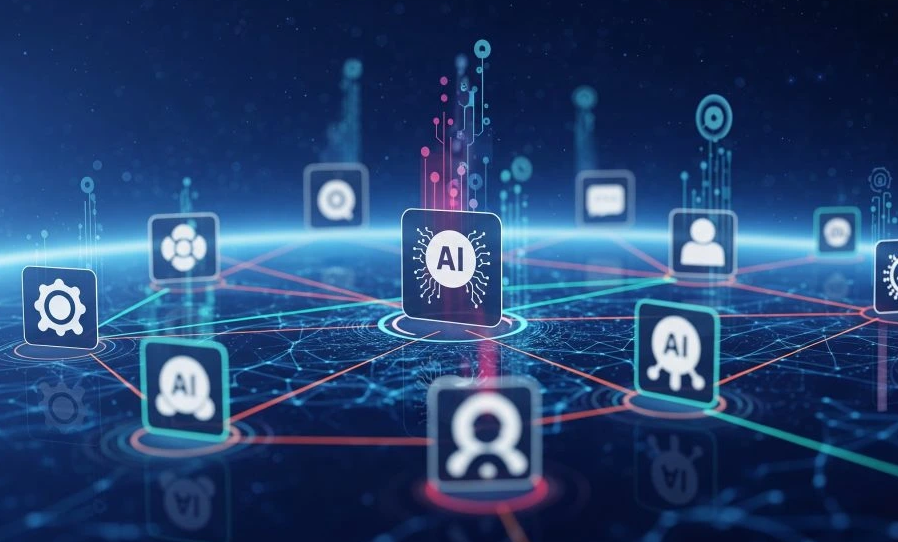
The Architecture of Intelligent Systems
The architecture of intelligent systems is a complex interplay of various components. These include data processing units, integration frameworks, and user interfaces. Each element plays a crucial role in ensuring that systems operate efficiently and effectively. Understanding these components is essential for developing advanced solutions. However, the implications of their design extend beyond technical considerations, raising questions about ethics and adaptability in real-world applications. Further exploration is necessary to grasp their full impact.
The Core Components of Intelligent System Architecture
The architecture of intelligent systems is fundamentally comprised of several core components that interact to facilitate advanced functionalities.
Central to this framework are data processing units, which manage and analyze information, and system integration elements that ensure interoperability among diverse subsystems.
Together, these components enable the seamless exchange of data, enhancing operational efficiency and empowering users with the freedom to leverage intelligent technologies effectively.
See also: Horse Racing Legends: Famous Trainers and Their Horses
How Machine Learning Algorithms Enhance Intelligent Systems
As intelligent systems evolve, the integration of machine learning algorithms significantly enhances their capabilities by enabling adaptive learning and predictive analytics.
Effective implementation relies on robust data preprocessing techniques to ensure data quality and relevance. Additionally, careful algorithm selection criteria determine the most suitable models, optimizing performance and accuracy.
This synergy ultimately empowers intelligent systems to respond dynamically to complex real-world challenges.
Top Strategies for Designing Efficient Intelligent Systems
Designing efficient intelligent systems requires a multifaceted approach that incorporates several key strategies.
Prioritizing user interface design ensures intuitive interactions, enhancing user engagement.
Additionally, robust data integration mechanisms facilitate seamless information flow, allowing systems to leverage diverse data sources effectively.
These strategies not only optimize system performance but also empower users, fostering a sense of autonomy and enhancing overall system adaptability.
Ethical Implications in Intelligent Systems Development
User-centric design and data integration strategies in intelligent systems must be accompanied by a thorough examination of ethical implications.
Effective bias mitigation techniques are essential to ensure equitable outcomes, while robust accountability frameworks are necessary to uphold responsibility and transparency.
Developers must prioritize these elements to foster trust and safeguard individual freedoms in the evolving landscape of intelligent systems, thereby promoting ethical advancements.
Conclusion
In conclusion, the architecture of intelligent systems acts as a finely tuned symphony, where each component harmonizes to optimize performance and enhance user interaction. Like an intricate tapestry, data processing units and integration elements interweave to create a seamless flow of information, empowering adaptive learning. As developers navigate the ethical landscape, they must ensure that these systems not only function efficiently but also resonate with the moral fabric of society, fostering trust and innovation in an increasingly complex world.